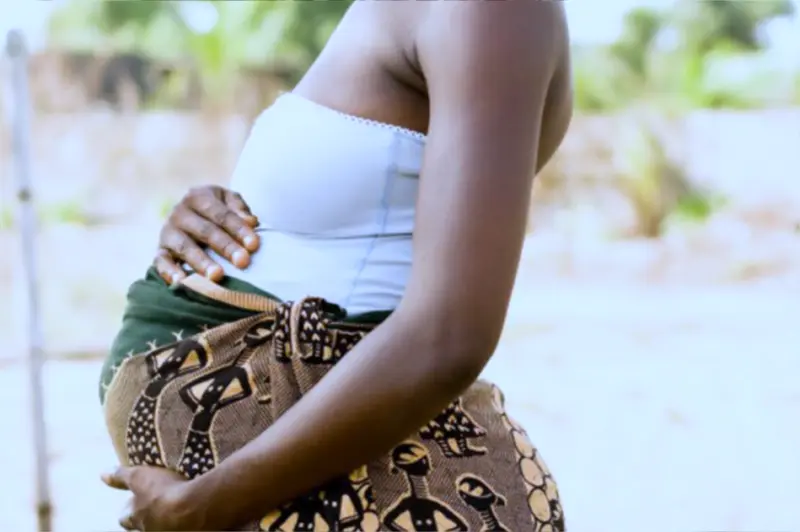
In classrooms and communities across Ghana, a quiet crisis is unfolding, one that is stealing futures and straining the very fabric of society. It’s the crisis of teenage pregnancy, a complex issue often reduced to a shocking headline but rarely understood in its full, heartbreaking depth.
We often hear the numbers. In the Central Region alone, over 75,000 teenagers between 15 and 19 were recorded as pregnant in 2014. But behind that staggering figure are tens of thousands of individual stories, dreams of education cut short, childhoods abruptly ended, and cycles of poverty that become increasingly difficult to break.
Despite numerous awareness campaigns and protection programs, the problem persists stubbornly. To understand why, we need to look beyond the statistics and into the lives of young Ghanaians.
The “Why”
The reasons a teenage girl becomes pregnant are rarely simple. They form a tangled web of economic pressure, lack of knowledge, and cultural influences.
1. The Weight of Poverty
For many girls, especially in rural areas, the struggle is not just about pocket money but about survival. “Poverty is the biggest pimp,” says Ama Serwah, a social worker with the NGO Child Rights International Ghana.
“When a man offers a girl money for school fees, sanitary pads, or even just a decent meal, the power dynamic is overwhelming. It’s not always about greed; it’s often about need.”
While Ghana has made significant strides in reducing national poverty, the gap between the rich and the poor means that teenage girls from struggling families remain incredibly vulnerable to exploitation.
2. The Information Gap
Many girls enter into sexual relationships with little to no practical knowledge about their bodies or contraception. “We tell them to ‘abstain,’ but we don’t equip them for the moment they don’t,” explains Kofi Mensah, a public health educator in Cape Coast.
“They are often unaware of how to access contraceptives, are afraid of the stigma, or are pressured by older partners who refuse to use protection.”
This lack of awareness doesn’t just lead to pregnancy; it also exposes them to sexually transmitted infections, creating a dual health crisis.
3. The Media’s Mixed Messages
In an age of smartphones and saturated media, the messages teenagers receive are conflicting. On one hand, popular TV shows and social media can glamorize relationships and sexuality without showing the consequences. On the other hand, open conversations about reproductive health are still considered taboo in many homes.
“A teenager watches a telenovela where a young character has a romantic fling, and it looks exciting,” says media critic Adwoa Smart. “But they don’t see the episode where she drops out of school or struggles to feed her child. We’re selling the fantasy without the reality check.”
The Ripple Effect: A Life Altered
The moment a teenager discovers she is pregnant, her life trajectory changes dramatically.
For the Young Mother:
The most immediate casualty is often her education. Facing stigma and a lack of support, many drop out of school permanently. Without qualifications, they are trapped in low-wage jobs or, in the most desperate cases, turn to prostitution to provide for their child.
The physical and mental toll is immense; these young mothers are more likely to suffer from postpartum depression and other health issues.
For the Child:
The cycle often continues with the next generation. Children born to teenage mothers are more likely to grow up in poverty, suffer from poor health, and have lower educational attainment themselves. They often lack stable father figures, which can affect their social development.
Finding a Way Forward: More Than Just Talk
Solving a problem this deep-rooted requires a multi-pronged approach that goes beyond posters and assembly talks.
- Economic Empowerment: Creating safe, part-time job opportunities for teenagers can provide them with an alternative to transactional relationships. “When a girl has her own income, she gains power and choice,” emphasizes Ama Serwah.
- Honest, Comprehensive Education: There is a critical need for age-appropriate, practical sex education that includes boys. This means teaching about consent, healthy relationships, and crucially, how to actually access contraceptives without shame.
- Responsible Media and Parental Guidance: Parents need to be supported in having difficult conversations with their children. Meanwhile, advocacy groups are calling on media regulators and producers to be more responsible in how they portray teenage relationships.
- Community Support Systems: Strengthening systems to keep young mothers in school, such as providing childcare facilities, is essential to preventing a temporary setback from becoming a permanent one.
The Bottom Line
The fight against teenage pregnancy in Ghana isn’t just about preventing babies from being born to young mothers. It’s about protecting the potential of an entire generation of girls.
It’s about ensuring that a moment of vulnerability does not define the rest of their lives. By addressing the root causes with empathy and practical solutions, Ghana can begin to untangle this web and offer its girls the future they deserve.